
A recent study conducted in Brazil suggests that a combination of two probiotic strains may enhance the activity of certain immune cells in marathon runners, potentially offering immune health benefits for endurance athletes. The research, published in the British Journal of Nutrition, revealed that supplementation with Bifidobacterium bifidum subsp. lactis and Lactobacillus acidophilus led to increased phagocytosis in monocytes, indicating a possible strategy to counteract the immunosuppressive effects of intense exercise.
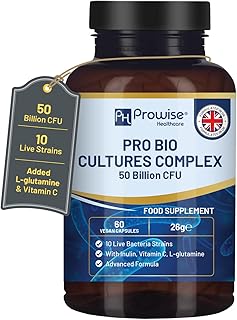
Endurance athletes, particularly marathon runners, often face immune system challenges due to the physical stress of training and races. Studies have shown that strenuous exercise can reduce essential immune components, making athletes more susceptible to infections like upper respiratory tract infections (URTIs). Probiotics have emerged as a potential solution to support the immune system of athletes, with specific strains showing promise in reducing the severity and duration of URTIs.

A collaborative effort by sports nutrition experts highlighted the role of probiotics in maintaining a healthy immune response, particularly in athletes exposed to factors that can compromise immunity. The gut, where a significant portion of the immune system resides, can benefit from probiotic supplementation, potentially reducing the incidence of infections. Certain probiotic strains have shown effectiveness in mitigating URTIs in endurance athletes, emphasizing the importance of gut health in overall immune function.

The study, conducted by researchers from the Federal University of Sao Paulo and the University of Sao Paulo, involved male runners aged 25-45 who received either a probiotic supplement or a placebo before participating in the São Paulo International Marathon. Results indicated that the probiotic group exhibited enhanced phagocytosis in monocytes after 30 days of supplementation, highlighting the potential immune-boosting effects of probiotics on athletes.

While the study’s findings support the notion of probiotics as a tool to enhance immune function in endurance athletes, the researchers underscored the need for further investigation into probiotic supplementation for athletes, including female runners. The study’s focus on specific probiotic strains and their impact on immune cell activity opens avenues for future research on optimizing immune support for athletes through beneficial microorganisms.

As the field of sports nutrition continues to evolve, the role of probiotics in supporting the immune health of athletes gains significance. By exploring the potential of probiotic supplementation to bolster immunity in marathon runners and other endurance athletes, researchers aim to provide valuable insights into optimizing performance and well-being in the realm of competitive sports.

📰 Related Articles
- Ventura County Legacy Runners Conquer 40 Years of LA Marathon
- Valencia Marathon Boosts Economy and Tourism, Generates €40M Revenue
- Toronto Marathon: Uniting Runners for Charity Across Vibrant City
- Tel Aviv Marathon Defies COVID Concerns, Welcomes Global Runners
- Structured 24-Week Marathon Training Plan for Novice Runners